
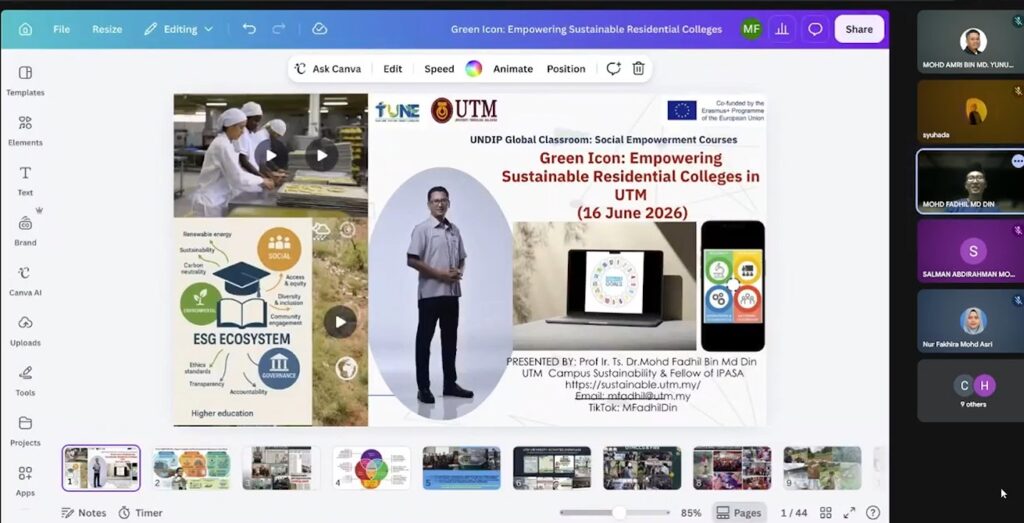
JOHOR BAHRU, 16 June 2026 — Majlis Pengetua UTM organised the online talk “Green Icon: Empowering Sustainable Residential Colleges in UTM” from 8.30 p.m. to 10.30 p.m. The session was hosted and moderated by Dr. Mohd Amri bin Md Yunus, Principal of Kolej Dato’ Onn Jaafar (KDOJ) and coordinator of the College Green Icon initiative, and delivered by Prof. Ir. Ts. Dr. Mohd Fadhil bin Md Din of UTM Campus Sustainability (UTMCS), who is also a Fellow of IPASA.
The programme aimed to develop a structured network of sustainability champions across UTM residential colleges. It introduced the Green Icon concept, clarified the responsibilities of Green Icons, discussed possible implementation challenges and provided practical guidance for initiating sustainability activities at the college level.
The programme was designed to develop sustainability champions across UTM residential colleges in a more systematic manner and in alignment with the university’s campus sustainability agenda. The talk introduced the Green Icon concept, clarified the expected roles of college representatives, highlighted implementation challenges, and discussed practical guidance that can support sustainability action at the college level. The central message was that Green Icons should not merely promote awareness, but should help convert sustainability ideas into organised, measurable and collaborative initiatives.
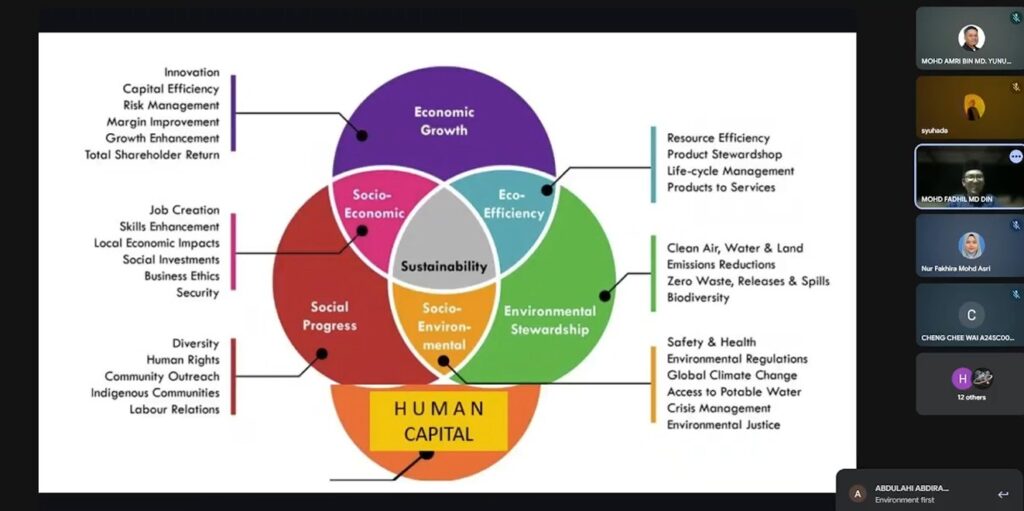
Prof. Fadhil explained sustainability as the integration of economic growth, social progress and environmental stewardship, supported by capable human capital. This framework encouraged participants to consider environmental protection together with community wellbeing, skills development, ethics, resource efficiency and long-term institutional value. Such a perspective is important for residential colleges because sustainability programmes often involve students, facilities, food systems, waste management, energy use, biodiversity and surrounding communities at the same time.
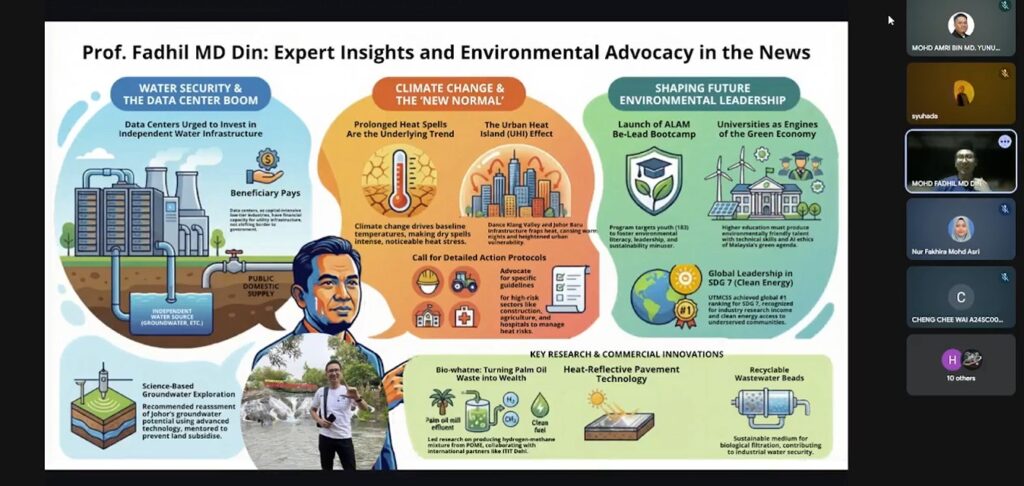
The presentation addressed current environmental challenges including water security, the growing water demand associated with data centres, prolonged heat spells and the urban heat island effect. Prof. Fadhil also highlighted the need for clearer action protocols for sectors and communities exposed to climate-related risks. Examples of research and commercial innovation included science-based groundwater exploration, bio-hythane production from palm oil mill effluent, heat-reflective pavement technology and recyclable wastewater treatment media.
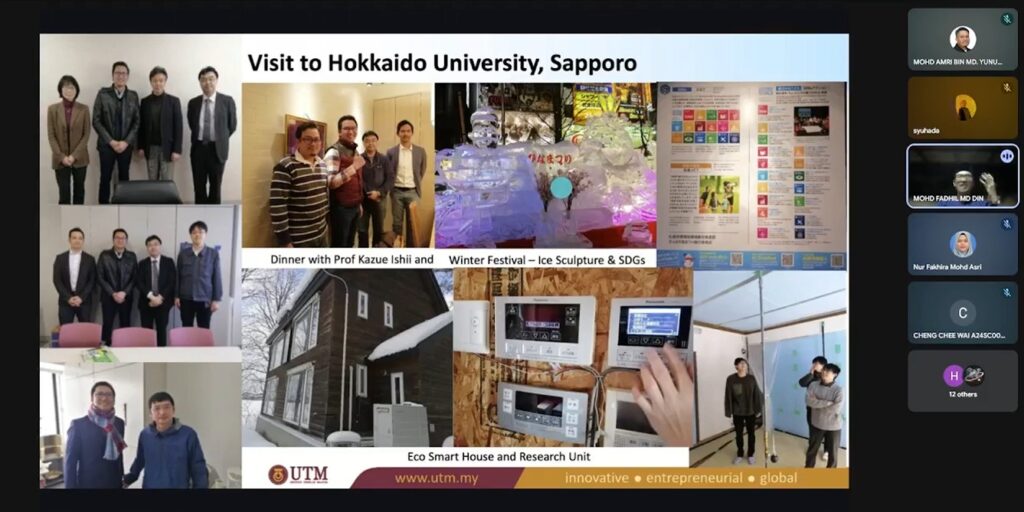
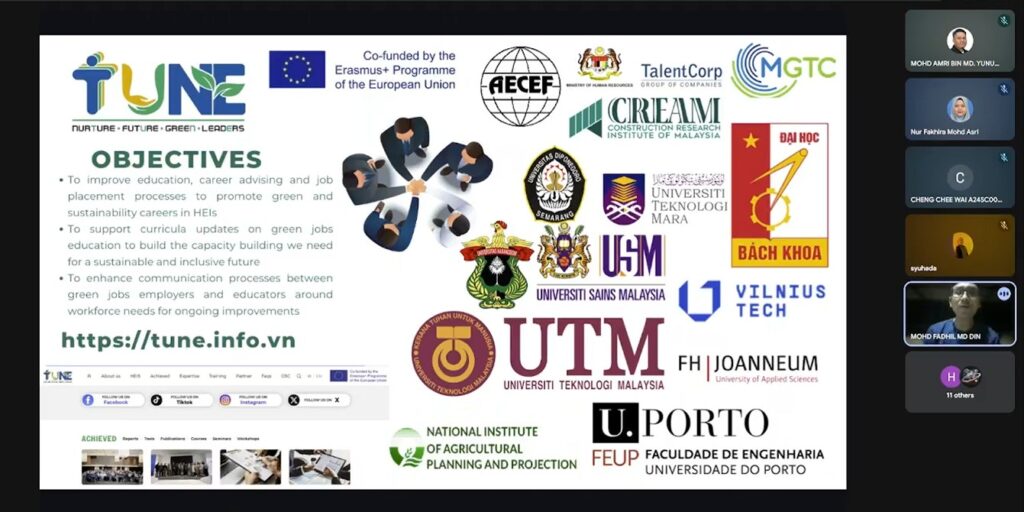
International experience was presented through examples from Hokkaido University and environmental programmes in Japan, including Eco-Town, Environmental Model City and Next-generation Energy Park concepts that promote the 3R approach, zero emission and sustainable urban development. The session also introduced the TUNE green-leadership network, which connects universities, industry and public agencies to strengthen green careers, sustainability curricula, career advising and communication between educators and employers.
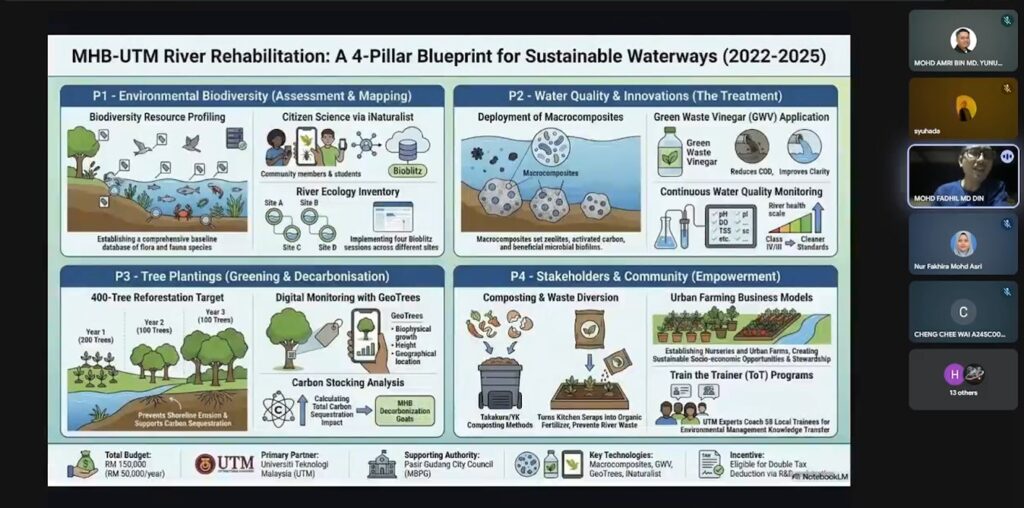
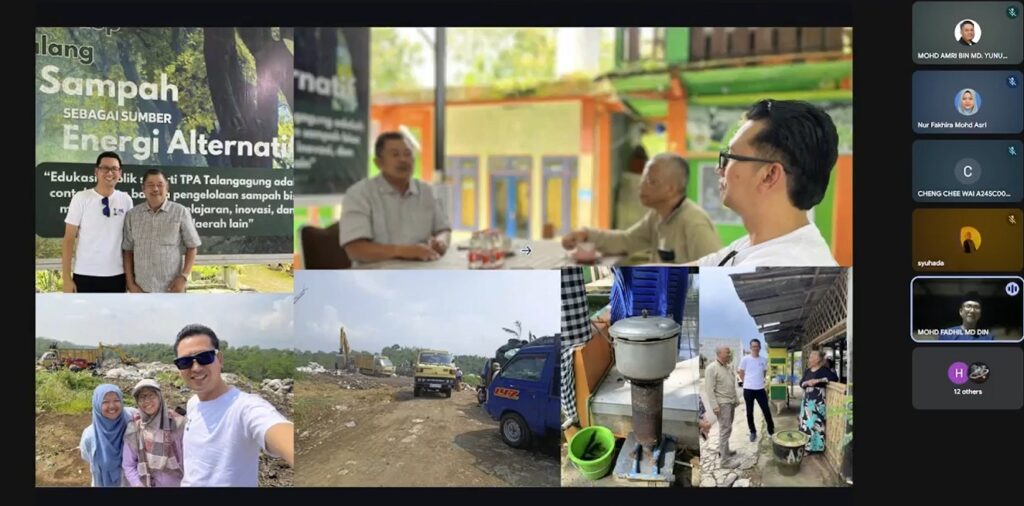
Several practical community and university-industry initiatives demonstrated how sustainability can be implemented beyond awareness campaigns. The MHB–UTM River Rehabilitation programme was presented as a four-pillar blueprint covering biodiversity assessment and mapping, water-quality treatment and monitoring, tree planting and decarbonisation, and stakeholder and community empowerment. Other examples included composting and waste diversion, urban farming, train-the-trainer activities, river-community engagement and the conversion of waste into alternative energy and useful resources.
Since April 2026, this initiavive of Green Icon have recieved 40 registrations amongst the UTM college residents as tabulated in the following Table.
| College | No of Registrants |
|---|---|
Kolej Tuanku Canselor |
15 |
Kolej 9 dan 10 |
6 |
Kolej Dato’ Onn Jaafar / KLG |
4 |
Kolej Rahman Putra |
4 |
Kolej Tun Hussein Onn |
4 |
Kolej Tun Dr Ismail |
3 |
Kolej Datin Seri Endon |
2 |
Kolej Tun Fatimah |
2 |
TOTAL |
40 |
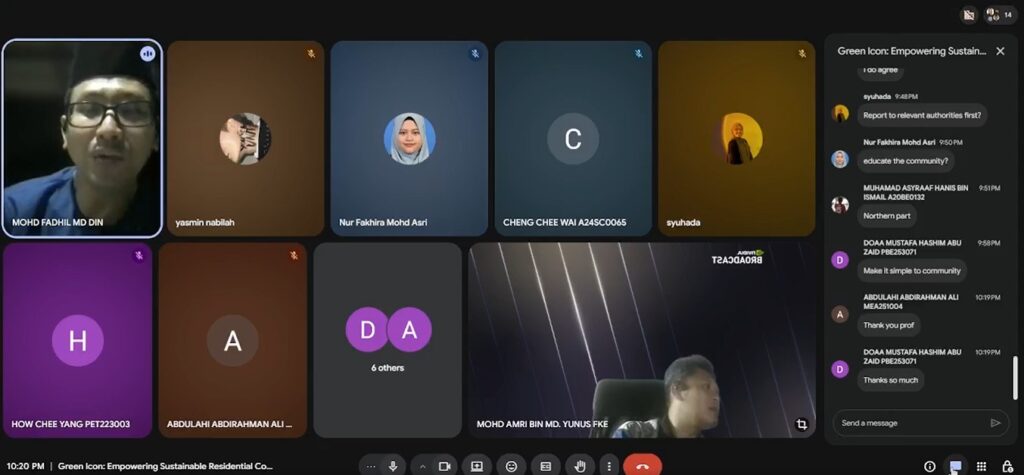
The question-and-answer session touched on how Green Icons should communicate with communities, when environmental issues should be referred to the relevant authorities, and how complex sustainability concepts can be simplified without losing their practical meaning. The discussion reinforced the importance of combining education, evidence, partnerships and follow-through. The programme concluded with a call for Green Icons to cultivate a sustainable mindset, collaborate across colleges and create visible impact for a better UTM.